
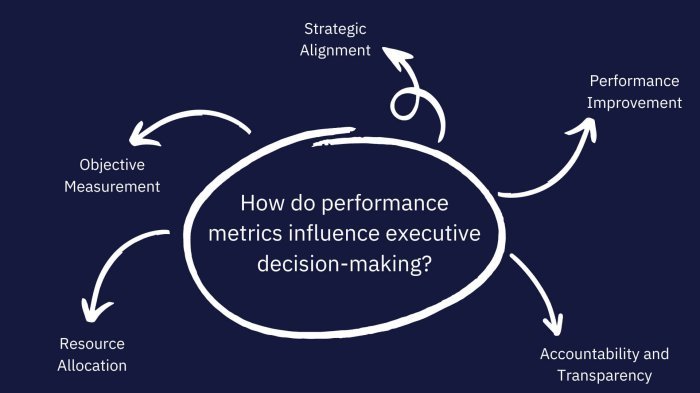
Most large programs track dozens of quality metrics. Few use them effectively. Data without governance often leads to reporting fatigue, conflicting interpretations, and missed opportunities for corrective action.
Effective programs do not just measure quality — they govern performance.
The Problem with Metric Overload
Common issues with quality metrics include:
- Excessive KPIs with limited relevance
- Metrics reported without context or trend analysis
- Lack of linkage to financial or schedule impacts
- Minimal executive engagement
As a result, metrics fail to influence decisions.
Governing Cost of Poor Quality (COPQ)
COPQ provides a direct link between quality performance and business outcomes. When governed properly, COPQ reveals:
- Root causes of rework and inefficiency
- Contractor performance trends
- Risk exposure across program phases
- Opportunities for preventive action
COPQ must be owned, validated, and reviewed at the executive level.
KPI Governance Principles
Effective KPI governance requires:
- A limited, well-defined KPI set
- Clear ownership for each metric
- Thresholds and escalation criteria
- Integration with risk and assurance processes
KPIs should answer one question: What decision does this enable?
From Reporting to Decision-Making
When COPQ and KPIs are governed effectively, leadership can:
- Prioritize corrective actions
- Allocate resources based on risk
- Hold contractors accountable
- Improve forecast accuracy
Metrics become tools for governance, not reporting artifacts.
Closing Perspective
Quality metrics only add value when they influence decisions. Governance transforms data into insight — and insight into action.